 Payment by Invoice |
 How to find our store
 info@kurierbedarf.com
 Purchasing for Swiss customers
Die Airlineschiene im Fahrzeug: Aufbau, Profile und Auswahlhilfe aus der Praxis
Die Airlineschiene ist aus moderner Ladungssicherung nicht mehr wegzudenken. Sie ermöglicht flexible Zurrpunkte, schafft Ordnung im Laderaum und macht Sicherungslösungen reproduzierbar – egal ob im Transporter, Anhänger, Servicefahrzeug oder Camper. Gerade im professionellen Einsatz entscheidet die richtige Airlineschiene darüber, ob ein Sicherungssystem im Alltag wirklich funktioniert oder zur ständigen Improvisation führt.
Wo werden Airlineschienen eingesetzt?
Airlineschienen kommen heute in zahlreichen Bereichen der professionellen Ladungssicherung zum Einsatz. Besonders in Transportern ermöglichen sie eine flexible Anpassung der Zurrpunkte an unterschiedliche Ladungen.
Im Handwerk werden Airlineschienen häufig zur Sicherung von Werkzeugen, Maschinen oder Materialkisten genutzt. Im Camper- und Wohnmobil-Ausbau dienen sie zur Befestigung von Möbeln, Gepäck oder Campingzubehör. Auch beim Motorradtransport oder in Kühlfahrzeugen bieten Airlineschienen eine sichere und variable Befestigungslösung.
Durch die Kombination mit passenden Fittingen, Sperrstangen oder Zurrgurten entsteht ein besonders variables System für nahezu jede Transportaufgabe.
Dieser Beitrag richtet sich an Anwender, die eine Airlineschiene nicht nur verbauen, sondern verstehen möchten. Wir erklären Aufbau und Profilarten, zeigen praxisnahe Einsatzbeispiele und helfen bei der Auswahl der passenden Airlineschiene für unterschiedliche Einbausituationen.
Die Airlineschiene als zentrales System der Ladungssicherung
Eine Airlineschiene ist kein einzelnes Bauteil, sondern die Basis eines modularen Sicherungssystems. In ihr lassen sich Fittings einsetzen, die wiederum als Anschlagpunkte für Zurrgurte, Sperrbalken oder Netze dienen. Durch das genormte Lochraster können diese Zurrpunkte jederzeit neu positioniert werden.
Der Vorteil gegenüber fest verschraubten Zurrösen liegt auf der Hand: Eine Airlineschiene passt sich der Ladung an – nicht umgekehrt. Das reduziert Zeitaufwand, erhöht die Sicherheit und sorgt für wiederholbare Abläufe im täglichen Einsatz.
Warum es nicht die eine perfekte Airlineschiene gibt
Bei der Auswahl einer Airlineschiene wird schnell klar, dass es keine Universallösung für alle Fahrzeuge und Anwendungen gibt. Unterschiedliche Einbauorte, Belastungen und Platzverhältnisse erfordern unterschiedliche Profilformen.
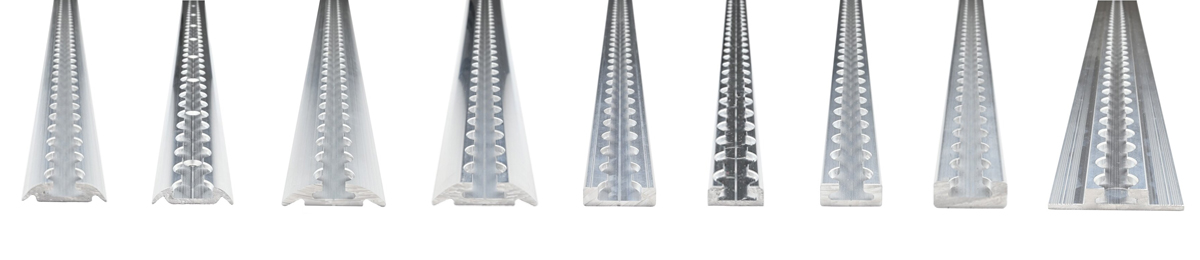
Grundsätzlich lassen sich Airlineschienen in drei Hauptgruppen einteilen:
Welche Airlineschiene sinnvoll ist, hängt weniger vom Namen als von der Kombination aus Aufbauhöhe, Befestigungsart und geplanter Nutzung ab.
Airlineschiene im Halbrundprofil: bewährt, robust und vielseitig
Die Airlineschiene im Halbrundprofil ist der Klassiker im Fahrzeugbau. Ihre abgerundete Form schützt Ladegut und Fahrzeugverkleidung und bietet gleichzeitig eine sehr gute Zugänglichkeit für Fittings.
Standard-Halbrundprofil
Das Standard-Halbrundprofil ist die klassische Airlineschiene für Transporter und Nutzfahrzeuge. Sie bietet eine ausgewogene Kombination aus Stabilität, Montagefreundlichkeit und Vielseitigkeit. Diese Airlineschiene eignet sich ideal für wechselnde Ladung wie Kisten, Werkzeug oder Maschinen.
Light-Halbrundprofil
Eine Airlineschiene in der Light-Ausführung ist auf Gewichtsreduktion optimiert. Sie wird häufig im Camper- und Van-Ausbau eingesetzt, wo jedes Kilogramm zählt. Trotz geringeren Eigengewichts bleibt sie voll kompatibel mit Airline-Fittings und Zurrgurten.
Slim-Halbrundprofil
Für enge Einbausituationen steht die Slim-Variante zur Verfügung. Diese Airlineschiene ist schmaler ausgeführt und eignet sich besonders für Heckgaragen, schmale Seitenwände oder kompakte Fahrzeuge. Sie ist für leichtere bis mittlere Sicherungsaufgaben konzipiert.
Heavy-Duty-Halbrundprofil
Die Airlineschiene als Heavy-Duty-Profil kommt bei sicherheitskritischen Anwendungen zum Einsatz. Dazu zählen unter anderem Rollstuhlsicherung und Personentransport. Neben der hohen Belastbarkeit ist hier eine normgerechte Montage entscheidend für die Funktion.
Airlineschiene als Flachprofil: wenn Aufbauhöhe entscheidend ist
Eine Airlineschiene im Flachprofil wird dort eingesetzt, wo möglichst wenig Aufbauhöhe gewünscht ist. Sie lässt sich dezent in Seitenwände, Böden oder Möbel integrieren und sorgt für eine sehr aufgeräumte Optik.
Flachprofil Standard
Diese Airlineschiene kombiniert eine geringe Aufbauhöhe mit hoher Stabilität. Sie ist ideal für Anwendungen, bei denen der Laderaum eben bleiben soll, etwa bei Servicefahrzeugen oder hochwertigen Innenausbauten.
Flachprofil Strong
Die Airlineschiene im Flachprofil Strong ist für höhere Zugkräfte ausgelegt. Durch einen verstärkten Aufbau kann sie auch bei anspruchsvollen Anwendungen eingesetzt werden und bietet flexible Montagemöglichkeiten.
Airlineschiene als Bodenprofil: bündig, trittfest und alltagstauglich
Die Airlineschiene als Bodenprofil wird bündig in den Fahrzeugboden eingelassen. Dadurch entstehen keine Stolperkanten, was besonders bei häufigem Be- und Entladen ein großer Vorteil ist.
Bodenprofil Light
Das Bodenprofil Light ist extrem flach und eignet sich für dünne Bodenaufbauten. Diese Airlineschiene ist ideal für Transporter mit Siebdruckboden oder für Anhänger mit begrenzter Aufbauhöhe.
Bodenprofil Heavy Duty
Für höchste Belastungen steht die Airlineschiene als Heavy-Duty-Bodenprofil zur Verfügung. Trotz flacher Bauform ist sie für hohe dynamische Kräfte ausgelegt und wird in sicherheitsrelevanten Bereichen eingesetzt.
Airlineschiene im Alltag: typische Anwendungen
Im täglichen Einsatz zeigt sich der größte Vorteil einer Airlineschiene: Sie passt sich immer wieder neu an. Ob Werkzeugkisten, Maschinen, Ersatzteile oder Freizeit-Equipment – Zurrpunkte können dort gesetzt werden, wo sie benötigt werden.
Gerade im Kurier- und Servicebereich sorgt eine Airlineschiene für schnelle Abläufe und eine gleichbleibend hohe Sicherungsqualität.
Airlineschiene vs. Zurröse: der entscheidende Unterschied
Im Vergleich zu festen Zurrösen bietet eine Airlineschiene deutlich mehr Flexibilität. Während eine Zurröse immer an der gleichen Stelle bleibt, kann eine Airlineschiene beliebig viele Zurrpunkte aufnehmen.
Für Fahrzeuge mit wechselnder Ladung ist eine Airlineschiene daher langfristig die effizientere und sicherere Lösung.
Typische Fehler bei der Auswahl einer Airlineschiene
Ein häufiger Fehler ist die Annahme, dass jede Airlineschiene gleich belastbar ist. Tatsächlich entscheiden Profilform, Montageart und Untergrund über die tatsächliche Leistungsfähigkeit.
Ebenso wird oft unterschätzt, wie wichtig der Schraubenabstand und die Qualität der Befestigungsmittel sind. Eine korrekt montierte Airlineschiene kann ihre Vorteile nur dann ausspielen, wenn das Gesamtsystem stimmt.
Airlineschienen unterscheiden sich je nach Bauform, Einsatzbereich und Belastbarkeit teilweise deutlich. Während manche Systeme besonders flach und unauffällig montiert werden können, stehen bei anderen Varianten maximale Stabilität oder zusätzliche Funktionen wie eine integrierte Beleuchtung im Vordergrund.
Die Wahl der richtigen Airlineschiene hängt daher immer vom späteren Einsatzzweck ab – beispielsweise ob die Schiene im Fahrzeugboden, an der Seitenwand, im Anhänger oder im Camper-Ausbau eingesetzt werden soll.
Vergleich verschiedener Airlineschienen
| Airlineschienen-Typ | Typischer Einsatzbereich | Besonderheiten | Vorteile |
|---|---|---|---|
| Halbrunde Airlineschiene | Transporter, Wand- & Bodenmontage | abgerundete Bauform | geringe Stolperkante & vielseitig einsetzbar |
| Versenkbare Airlineschiene | Fahrzeugboden & Camper-Ausbau | bündige Integration in den Boden | saubere Optik & hohe Bewegungsfreiheit |
| Vierkant-Airlineschiene | hohe Belastungen & Gewerbe | massive Bauweise | besonders robust & belastbar |
| Airlineschiene mit LED | Laderaum & Camper | integrierte LED-Beleuchtung | Ladungssicherung und Beleuchtung kombiniert |
| Flachprofil-Airlineschiene | enge Einbausituationen | sehr geringe Aufbauhöhe | platzsparende Montage |
Besonders im professionellen Einsatz werden Airlineschienen häufig mit passenden Zurrgurte für Airlineschienen, Single-Stud-Fittingen, Sperrstangen oder weiteren Komponenten zur flexiblen Ladungssicherung kombiniert.
Dadurch entsteht ein variables Befestigungssystem, das sich schnell an unterschiedliche Transportaufgaben anpassen lässt – vom Werkzeugtransport im Handwerk bis hin zum professionellen Camper- oder Fahrzeugausbau.
Airlineschiene kleben oder schrauben?
Airlineschienen können je nach Untergrund geschraubt, vernietet oder zusätzlich verklebt werden. In Transportern werden Airlineschienen häufig direkt auf dem Fahrzeugboden, an Seitenwänden oder auf Dachtraversen montiert.
Für hohe Belastungen empfiehlt sich eine Verschraubung mit geeigneten Gegenplatten. Im Camper-Ausbau werden Airlineschienen teilweise zusätzlich verklebt, um die Kräfte besser zu verteilen und Vibrationen zu reduzieren.
Die Wahl der passenden Befestigung hängt vom Fahrzeug, dem Untergrund und der späteren Belastung ab.
Montageverständnis: warum Planung entscheidend ist
Die beste Airlineschiene bringt wenig, wenn sie falsch montiert wird. Schraubenabstände, Schraubenfestigkeit und der Untergrund müssen zur Belastung passen. Bei weichen Böden oder Sandwichkonstruktionen sind Gegenplatten sinnvoll, um die Kräfte gleichmäßig zu verteilen.
Je nach Profil kommen unterschiedliche Schraubendurchmesser zum Einsatz. Wichtig ist, dass die Montage immer an der geplanten Nutzung ausgerichtet ist.
Welche Airlineschiene ist die richtige?
- Transporter mit wechselnder Ladung: Airlineschiene als Halbrundprofil Standard
- Camper- und Van-Ausbau: Airlineschiene als Light- oder Flachprofil
- Enge Einbausituationen: Airlineschiene als Slim-Halbrundprofil
- Bündiger Fahrzeugboden: Airlineschiene als Bodenprofil Light
- Sicherheitskritische Anwendungen: Airlineschiene als Heavy-Duty-Profil
Fazit: Die passende Airlineschiene sorgt für Sicherheit und Effizienz
Die Airlineschiene ist ein zentrales Element moderner Ladungssicherung. Ihre Stärke liegt in der Flexibilität und der Möglichkeit, Sicherungslösungen exakt an den eigenen Bedarf anzupassen. Wer Einbauort, Profilform und Belastung berücksichtigt, erhält mit der richtigen Airlineschiene ein langlebiges, sicheres und alltagstaugliches System.
❓ Häufige Fragen zu Airlineschienen
Was ist eine Airlineschiene?
Eine Airlineschiene ist ein variables Befestigungs- und Zurrsystem zur Ladungssicherung in Transportern, Wohnmobilen, Anhängern oder Nutzfahrzeugen. Durch das genormte Lochraster können Fittinge, Zurrpunkte und Zubehör flexibel eingesetzt werden.
Wofür werden Airlineschienen verwendet?
Airlineschienen werden zur flexiblen Ladungssicherung eingesetzt. Sie eignen sich beispielsweise zur Befestigung von Werkzeugen, Motorrädern, Maschinen, Möbeln oder Campingausbauten in Fahrzeugen.
Kann man Airlineschienen kleben?
Je nach Untergrund können Airlineschienen zusätzlich verklebt werden. Für hohe Belastungen empfiehlt sich jedoch eine Verschraubung oder Vernietung mit geeigneten Gegenplatten.
Welche Airlineschiene eignet sich für den Fahrzeugboden?
Für Fahrzeugböden werden häufig versenkbare oder halbrunde Airlineschienen verwendet. Diese reduzieren Stolperkanten und ermöglichen eine saubere Integration in den Bodenaufbau.
Welche Zubehörteile gibt es für Airlineschienen?
Zu den beliebtesten Zubehörteilen gehören Single-Stud-Fittinge, Double-Stud-Fittinge, Zurrgurte, Sperrstangen, Endbeschläge und Ringösen zur flexiblen Ladungssicherung.