 Payment by Invoice |
 How to find our store
 info@kurierbedarf.com
 Purchasing for Swiss customers
interior trim
Interior trim for vans and panel vans is essential protection when it comes to maintaining the value and long-term condition of your vehicle. It provides reliable protection against scratches, dents, and other damage that can occur during the daily transport of tools, materials, or bulky goods. At the same time, high-quality cargo area lining ensures a professional appearance and makes your van or box truck an even more efficient work tool.
Why interior trim is so important for vans
...mehr lesen
Citroën vans have been among the most popular commercial vehicles...

Fiat has been one of the leading manufacturers of practical and...

With its Transit, Transit Custom, and Transit Connect models,...

The Hyundai H350 is a modern, powerful transporter that is...
The MAN TGE is one of the most modern transporters in its class...

With the Maxus e-Deliver 3 and Maxus e-Deliver 9 models,...
For decades, Mercedes-Benz van models have been among the most...
Nissan's transporter models have been a fixture in commercial...

Opel transporters such as the Opel Combo E, Opel Vivaro C, and...
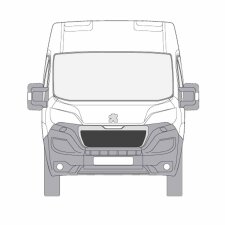
Peugeot's transporter models—above all the Peugeot Partner,...
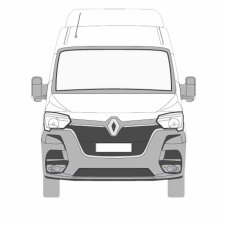
Renault is one of the most popular manufacturers in the European...
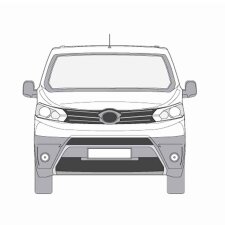
Toyota's transporters – ProAce City, ProAce, and ProAce Max – are...
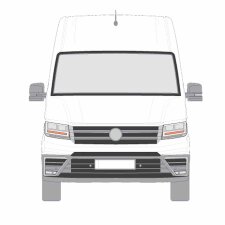
Volkswagen is one of the most successful manufacturers in the...
Whether you are a tradesperson, courier service, or delivery driver, the use of vans puts enormous strain on the cargo area. Uncovered walls and window areas are particularly susceptible to damage. Robust interior paneling not only protects the vehicle walls, but also the sensitive surfaces above the windows. This helps you avoid costly repairs and significantly extends the service life of your van.
In addition, clean, precisely fitting cargo area paneling makes it easier to clean the vehicle and contributes to a tidy, orderly impression. For companies, this is an important factor in always conveying professionalism to customers.
Materials: Plastic honeycomb profile or birch plywood
We offer two types of interior paneling: lightweight and recyclable plastic honeycomb profile or particularly sturdy birch plywood.
- Plastic honeycomb profile: Manufactured in 4 mm thickness, 100% recyclable and available in gray. This material impresses with its low weight, high durability and easy-care surface.
- Birch plywood: Available in thicknesses of 4 mm or 6.5 mm. Available as untreated natural board or with a gray coating. The coated version is protected against splashing water thanks to a polypropylene coating and is particularly durable.
Depending on the intended use, you can decide whether you prefer a lightweight, flexible solution or a particularly robust design. The demand for stronger paneling is constantly increasing, which is why we also offer the 6.5 mm thick version. Although this is heavier and more difficult to install, it offers maximum protection.
Installation of the cargo area trim
Each interior panel is cut to fit the specific vehicle and is therefore a perfect fit for your model. It is usually attached with self-tapping screws, which are included in the installation kit. For some van models, the original installation accessories are even included.
We recommend installation by a specialist body shop or experienced vehicle converter to ensure a perfect result. Installation takes very little time, but provides years of protection for your vehicle.
Roof and headliner trim for additional protection
In addition to side panels, we also offer roof and headliner panels. These are also available in plywood (natural or coated) and plastic honeycomb profile. This protects not only the walls but also the roof of your van from damage and wear. In addition, a roof panel improves the acoustic properties of the vehicle and makes working in the interior more pleasant.
Features of the interior paneling at a glance
- Available in birch plywood or polypropylene plastic honeycomb profile
- Material thickness: 4 mm or 6.5 mm
- Coated or uncoated versions available
- 100% recyclable (plastic version)
- Acoustic and thermal insulation
- Corrosion and rot-free
- Precisely tailored to fit many common van models
Conclusion: More protection and value retention for your van
With high-quality interior paneling, you are investing in the longevity and value retention of your van. You protect the cargo area from damage, improve its appearance, and increase the resale value of the vehicle at the same time. Whether plastic honeycomb profile or plywood, our cargo area paneling offers you a tailor-made solution that can withstand daily demands.
Equip your van now with suitable interior trim and benefit from maximum protection and a professional appearance – day after day.
Frequently asked questions about interior trim for vans
Would you like to protect your van or panel van optimally while increasing comfort? In this FAQ, you will learn everything about materials, installation, insulation, and care of interior trim. This will help you quickly find the right solution for your vehicle and your intended use.
Why is interior trim worthwhile – and for which vehicles is it available?
Interior trim protects the side walls, doors, and window areas from damage caused by loose or sliding loads. It gives the vehicle a clean, professional look, increases its resale value, and extends the life of the interior. Our linings are tailored to specific vehicles and are available for almost all common models – e.g., VW Transporter, Mercedes Sprinter, Ford Transit, Renault Trafic, Fiat Ducato, or MAN TGE. Tip: Early cargo area protection saves on expensive repairs and ensures a neat appearance.
What materials and thicknesses are available – and what advantages do they offer?
Interior paneling is available in plastic honeycomb profile or birch plywood. Plastic scores points for its low weight, recyclability, and high moisture resistance. Plywood impresses with its stability and sound insulation. Both versions are available in 4 mm or 6.5 mm thicknesses. The thinner version is suitable for lighter use, while 6.5 mm plywood is particularly robust and durable – ideal for trade and service vehicles. Coated versions with a polypropylene surface are also splash-proof and easy to clean.
How does installation work—can I install the paneling myself?
Installation is usually self-explanatory and can be done easily with a little manual skill. The panels are CNC-milled to fit perfectly and come with an installation kit. In most cases, they are fastened with self-tapping screws. The low weight of the materials makes the paneling easy to position and fix in place. If you want a perfect result or complete integration with the floor and roof paneling, you can also have the installation carried out by a specialist workshop.
How does interior trim affect noise insulation, thermal insulation, and environmental friendliness?
Interior paneling noticeably improves noise insulation, as driving and cargo area noises are absorbed by the panels. This provides greater comfort, especially on long journeys or when converting to a camper. Armaflex or a comparable insulating material can also be inserted between the paneling elements to further increase thermal insulation. Plastic honeycomb profiles are made of 100% recyclable polypropylene, while wood, as a natural material, offers a sustainable alternative – for durable, environmentally friendly vehicle interior design.
What care is required and are there suitable roof coverings?
Care is straightforward: simply wipe the surfaces with a damp cloth or mild cleaning agent. Avoid aggressive chemicals to protect the coating. Regular visual inspections help to detect minor damage at an early stage. We also offer roof and headliner coverings in the same materials and thicknesses. These not only improve the appearance, but also the acoustics and insulation of the cargo area – ideal for craftsmen, transporters, and camper conversion projects.