 Payment by Invoice |
 How to find our store
 info@kurierbedarf.com
 Purchasing for Swiss customers
Aluminum checkered plate base plate
Aluminum checker plate van floors are a proven solution for permanently protecting the cargo area of vans from wear, moisture, and mechanical stress. Commercial vehicles are used intensively in everyday business life—with heavy tools, machines, palletized goods, or frequent loading and unloading. A high-quality transporter floor forms the basis for a functional, safe, and durable cargo area.
In this main category, you will find custom-fit aluminum checker plate van floors that have been specially developed for professional vehicle use. The floor solutions are tailored to different vehicle concepts and are suitable for trade, industry, logistics, and service. Regardless of the manufacturer or vehicle size, the focus is always on a robust, slip-resistant, and resilient loading area.
...mehr lesen
An aluminum checker plate transporter floor for the Citroën...

An aluminum checker plate transporter floor for the Fiat Ducato...
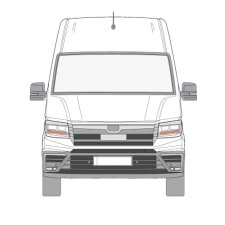
The MAN TGE is designed as a versatile transporter for...

The aluminum checker plate floor panel for the Mercedes-Benz...
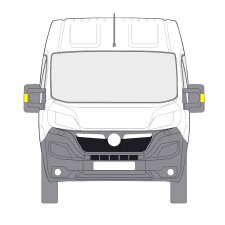
The aluminum checker plate floor panel for the Opel Movano C is a...

The aluminum checker plate floor panel for the Peugeot Boxer is a...
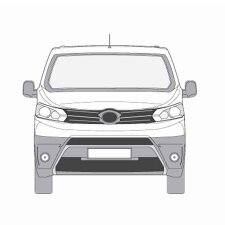
The aluminum checker plate floor panel for the Toyota ProAce is a...
Why aluminum checker plate makes sense in vans
The standard vehicle floor of a transporter is often only suitable for intensive continuous use to a limited extent. Without additional protection, scratches, dents, or moisture damage can quickly occur, which can reduce the value of the vehicle and restrict its use. An aluminum checker plate transporter floor creates a resistant protective layer and at the same time ensures greater safety in the cargo area.
The typical corrugated structure of the aluminum increases slip resistance and reduces the risk of slipping – especially in wet, dirty, or oily conditions. At the same time, the material is extremely resilient and resistant to point loads, such as those that occur when transporting toolboxes, construction machinery, or heavy spare parts.
High-quality material structure for everyday work
The basis of the transporter floors is a stable screen-printed floor made of birch plywood, which is specially designed for vehicle use. It is phenolic resin-glued in accordance with EN 312-2 / Class 3 and offers high dimensional stability and resistance to moisture.
In combination with a 1.5 to 2.0 mm thick aluminum checker plate surface, this creates a durable floor solution that retains its function even with intensive use. The additional coating is oil- and water-resistant as well as UV-resistant, which facilitates cleaning and permanently protects the floor from external influences.
Customized solutions for different vehicle types
Vans differ significantly in terms of dimensions, cargo space geometry, and intended use, depending on the manufacturer. Vehicles such as the Fiat Ducato, Citroën Jumper, or Peugeot Boxer are often used as versatile all-rounders and are available in numerous length and height variants. This makes it all the more important to have a tailor-made flooring solution that is precisely matched to the wheelbase and cargo space length.
Even high-end vans, such as the Mercedes Sprinter, VW Crafter, or MAN TGE, place special demands on the vehicle floor. These models are often combined with extensive vehicle installations, shelving systems, or workshop equipment. A sturdy aluminum checker plate floor provides the necessary basis for safely accommodating heavy loads.
Vehicles such as the Opel Movano or Ford Transit are also frequently used in trade and service-oriented applications. For these models, too, a CNC-machined, vehicle-specific floor panel ensures a clean fit and a permanently resilient loading area.
Vehicle-specific manufacturing and easy installation
All aluminum checker plate transporter floors are manufactured specifically for each vehicle and precisely adapted to the contours of the respective cargo area. The wheelbase, roof height, and typical vehicle geometries are taken into account so that the floor fits cleanly and no annoying gaps occur.
The multi-part design of the floor panels facilitates installation, especially in long or large-volume cargo areas. The individual segments can be precisely positioned and securely connected to each other, creating a level, closed loading area after installation.
Secure fastening and flexible expansion
The transporter floors are usually fastened using the existing lashing points in the vehicle. Integrated recesses for lashing troughs allow the original lashing eyes to be used without the need for permanent modifications to the bodywork. This is particularly advantageous for leased vehicles or fleet operations.
In addition, aluminum checker plate floors provide a stable foundation for further vehicle installation. Airline rails can be integrated as an option to make load securing flexible and professional. Shelving systems, workshop equipment, or other extensions can also be reliably implemented on this basis.
Ideal for commercial use
The aluminum checker plate transporter floors in this category are specially designed for panel vans in professional use. They are suitable for craft businesses, service vehicles, assembly operations, and logistics companies that value safety, durability, and functionality.
With a high-quality transporter floor, you create a resilient and practical basis for daily work – regardless of the vehicle manufacturer and optimally tailored to the diverse requirements of modern transporters.
FAQ – Aluminum checker plate van floors
What is an aluminum checker plate van floor particularly suitable for?
An aluminum checker plate van floor is particularly suitable for commercial use when the cargo area is subjected to daily wear and tear. It protects the original floor from wear, moisture, and impacts, while also providing a slip-resistant surface for safe loading and unloading.
Why is a custom-fit, vehicle-specific design so important?
Vans differ depending on the model in terms of cargo area geometry, wheelbase, and roof height. A vehicle-specific fit ensures that the floor fits snugly, remains stable, and does not create any annoying gaps. This improves durability and makes installation in the cargo area easier.
What role does the ribbed structure play in everyday use?
The corrugated structure increases slip resistance and improves sure-footedness. This is particularly helpful in wet conditions or when there is dirt or oily residue in the cargo area. At the same time, the surface remains robust and resistant to localized stress.
How is a transporter floor normally attached?
In many cases, it is secured using the existing lashing points in the vehicle. Integrated recesses for lashing eyes allow the original lashing eyes to be used, so that the floor is securely fixed without the need for permanent changes to the bodywork.
Can a van floor be used as a basis for vehicle equipment and load securing?
Yes, a sturdy transporter floor is an excellent basis for shelving systems, workshop equipment, and other installations. In addition, depending on the design, airline rails can be integrated to make load securing flexible and professional.
For which vehicle types are aluminum checker plate van floors intended?
The floors are generally designed for panel vans in professional use. They are usually not intended for station wagons with seat rails or double cabs. The appropriate design depends on the respective vehicle model and variant.