Payment by Invoice |
 How to find our store
 info@kurierbedarf.com
 Purchasing for Swiss customers
📘 Kurierbedarf Wiki
Category: Van Ventilation
Reading Time: Approx. 10 Minutes
Last Updated: July 29, 2026
Welcome to the Kurierbedarf Wiki — your knowledge base for commercial vehicles, van conversions, cargo securing and professional transport solutions. Here you'll find practical guides, technical insights and expert advice to help you choose the right equipment for your vehicle and improve safety, comfort and efficiency.
Easy Aero Roof Vent – The Complete Guide for Commercial Vans, Camper Vans and Motorhomes
Proper vehicle ventilation is often overlooked until condensation, excessive heat or unpleasant odours become a daily problem. Whether you use your van for work, deliveries, camping or professional transport, maintaining a healthy airflow inside the vehicle is essential for protecting both the interior and its contents.
In this guide you'll discover how the Easy Aero Roof Vent works, why its innovative Push-and-Pull ventilation system offers significant advantages over conventional roof vents, and what you should know before choosing, installing and maintaining your roof ventilation system.
We'll also explain how to reduce condensation inside your van, improve interior comfort and choose the right accessories for different vehicle types.
Contents
- Why Proper Van Ventilation Matters
- What Is the Easy Aero Roof Vent?
- How the Push-and-Pull Ventilation System Works
- Why Condensation Forms Inside Vans
- Benefits of the Easy Aero Roof Vent
- Five Common Van Ventilation Mistakes
Why Proper Van Ventilation Matters
Modern vans are no longer used solely for transporting goods. They serve as mobile workshops, service vehicles, camper vans, delivery vans and even temporary offices. As vehicles become more specialised, maintaining a comfortable and healthy interior environment becomes increasingly important.
Everyday activities generate moisture inside the vehicle. Wet clothing, damp tools, cooking, breathing and changing weather conditions all increase humidity levels. When warm, humid air comes into contact with cold metal surfaces, condensation begins to form.
During summer, parked vans can quickly reach interior temperatures exceeding 50 °C (122 °F). This excessive heat not only makes working inside the vehicle uncomfortable but can also affect tools, equipment, electronics and temperature-sensitive cargo.
A well-designed roof ventilation system helps remove warm, humid air before it becomes a problem, creating a healthier and more comfortable environment throughout the vehicle.
Benefits of Effective Van Ventilation
- Reduces humidity inside the vehicle
- Helps minimise condensation
- Protects tools and equipment
- Improves interior comfort
- Reduces unpleasant odours
- Helps lower interior temperatures while driving
- May reduce the risk of mould and corrosion
What Is the Easy Aero Roof Vent?
The Easy Aero Roof Vent is an aerodynamic roof ventilation system designed specifically for commercial vehicles, cargo vans, camper vans and motorhomes.
Unlike many conventional roof vents that simply allow warm air to escape, the Easy Aero uses an innovative Push-and-Pull airflow system. As the vehicle moves, fresh outside air is directed into the vehicle while warm, stale air is simultaneously extracted.
This creates a continuous airflow throughout the vehicle interior, helping to improve air quality, reduce humidity and create a more comfortable environment during everyday use.
The vent housing is manufactured from durable UV-resistant ABS plastic, making it suitable for year-round use in demanding commercial and recreational environments.
💡 Quick Summary
The Easy Aero Roof Vent uses vehicle airflow to create continuous ventilation. Fresh air enters through one section of the vent while warm, humid air is extracted through another, providing efficient ventilation during normal driving without relying solely on passive airflow.
How Does the Push-and-Pull Ventilation System Work?
The Push-and-Pull principle is what makes the Easy Aero different from traditional roof ventilation systems.
Instead of functioning purely as an exhaust vent, its aerodynamic design creates two complementary airflow paths while driving.
Fresh outside air is guided into the vehicle through the front section of the vent. At the same time, negative pressure generated at the rear draws warm and humid air out of the interior.
The result is a continuous circulation of air throughout the entire vehicle, improving comfort and helping to reduce moisture before condensation has a chance to develop.

Advantages of the Push-and-Pull Design
- Continuous airflow while driving
- Improved ventilation throughout the vehicle
- Reduced humidity
- Helps minimise condensation
- Reduces stale air and unpleasant odours
- In many installations, no additional floor vent is required
Why Does Condensation Form Inside Vans?
Condensation develops whenever warm, moisture-rich air meets a cold surface. In commercial vans and camper vans this commonly occurs overnight when the metal roof cools rapidly.
Many vehicle owners assume that moisture enters from outside. In reality, most condensation originates inside the vehicle itself.
Common Sources of Moisture
- Breathing and body heat
- Wet clothing
- Damp tools and equipment
- Rainwater carried in on footwear
- Cooking inside camper vans
- Daily temperature changes
- Wet cargo or building materials
Without adequate ventilation this moisture accumulates over time and can eventually contribute to mould growth, corrosion and unpleasant odours.
⚠️ Five Common Van Ventilation Mistakes
1. Ignoring Condensation
Small amounts of moisture may seem harmless, but over time they can contribute to corrosion, mould and interior damage.
2. Reusing Damaged Seals
Worn or compressed seals may allow water to enter around the roof vent. Damaged seals should always be replaced.
3. Installing Without a Headliner Adapter
Vehicles fitted with an interior headliner or roof lining require the correct mounting adapter to ensure safe and stable installation.
4. Relying Only on Open Windows
Open windows rarely provide consistent airflow throughout the entire vehicle. A roof vent uses natural airflow far more efficiently while driving.
5. Waiting Until Problems Appear
Moisture damage often develops slowly over months or even years. Preventive ventilation is far easier than repairing mould, corrosion or water damage later.
Part One Summary
Proper vehicle ventilation plays a key role in maintaining a comfortable, healthy and durable interior. The Easy Aero Roof Vent combines fresh air intake with efficient exhaust ventilation using its innovative Push-and-Pull airflow system, helping to reduce condensation, improve air quality and create a more pleasant driving environment.
In the next part of this guide we'll explore suitable vehicle types, installation, PE foam gaskets, headliner adapters, the optional electric fan and compare the Easy Aero Roof Vent with conventional roof ventilation systems.

Which Vehicles Are Suitable for the Easy Aero Roof Vent?
The Easy Aero Roof Vent is designed for a wide range of commercial and recreational vehicles. Wherever heat, humidity or stale air can build up inside the vehicle, continuous roof ventilation helps create a healthier and more comfortable interior.
Whether your vehicle is used for professional work, long-distance deliveries, leisure travel or full-time van life, effective airflow helps protect both occupants and equipment while improving everyday comfort.
Commercial Vans
Commercial vans often carry tools, machinery, spare parts and work equipment that remain inside the vehicle throughout the day. Combined with wet clothing and frequent door openings, moisture levels can quickly increase.
The Easy Aero Roof Vent promotes continuous airflow while driving, helping to remove humid air before condensation develops on windows, roof panels and interior fittings.
Trades and Service Vehicles
Electricians, plumbers, installers, mobile technicians and maintenance engineers frequently use their vans as mobile workshops. Paints, adhesives, cleaning chemicals and damp equipment can all affect air quality inside the vehicle.
Continuous roof ventilation helps create a fresher working environment while supporting the long-term protection of tools and equipment.
Camper Vans and Motorhomes
Cooking, sleeping and everyday living naturally generate significant amounts of moisture inside camper vans. Without sufficient ventilation, condensation can build up on windows, roof panels, insulation and furniture.
During normal driving, the Easy Aero Roof Vent provides continuous airflow using its aerodynamic Push-and-Pull design. When parked overnight or during extended stays, the optional electric fan can maintain ventilation even without vehicle movement.
Courier and Delivery Vehicles
Delivery vans operate for long hours and are opened repeatedly throughout the day. Depending on the cargo, heat and humidity can quickly accumulate inside the load area.
Continuous airflow helps maintain a more stable interior environment and improves overall ventilation throughout the cargo compartment.
Animal Transport Vehicles
Vehicles used for transporting animals benefit from improved air circulation during travel. For stationary ventilation during breaks or overnight stops, the optional electric fan provides additional airflow.
Electric Vans
Because the Easy Aero Roof Vent operates aerodynamically while driving, it is equally suitable for modern electric commercial vehicles. The passive airflow system requires no electrical power during normal operation.
💡 Expert Tip
The more insulated or enclosed a vehicle becomes, the more important proper ventilation is. Camper conversions, workshop vans and insulated cargo vehicles benefit particularly from continuous roof ventilation.
Is an Additional Floor Vent Required?
Many traditional roof vents function primarily as exhaust vents. To replace the extracted air, additional floor vents or side vents are often recommended.
The Easy Aero Roof Vent works differently.
Its aerodynamic Push-and-Pull airflow system simultaneously introduces fresh outside air while extracting warm interior air during normal driving.
For many common installations, this means a separate floor vent is not required. However, every vehicle conversion is different, and overall ventilation should always be considered as part of the complete vehicle design.
Installing the Easy Aero Roof Vent
Correct installation is essential for reliable long-term performance. The roof vent is mounted directly into the vehicle roof using two precisely positioned openings that allow the Push-and-Pull airflow system to operate efficiently.
Careful preparation, accurate positioning and proper sealing are the keys to a successful installation.
Before Installation
- Select a suitable mounting position.
- Check for roof reinforcements and structural members.
- Inspect electrical wiring and existing roof accessories.
- Choose the correct PE foam gasket.
- Clean the mounting surface thoroughly.
- Follow all vehicle-specific installation recommendations.
Installation Overview
- Mark the mounting position.
- Create the required roof openings.
- Protect exposed metal against corrosion.
- Position the appropriate PE foam gasket.
- Install and align the Easy Aero Roof Vent.
- Tighten the mounting hardware evenly.
- Inspect the seal and verify correct installation.
Vehicles fitted with an interior headliner or roof lining require the dedicated Easy Aero mounting adapter to compensate for the additional material thickness and ensure secure installation.
⚠️ Installation Advice
Always check the underside of the roof before cutting. Roof braces, electrical wiring and factory-installed equipment should never be damaged during installation. If in doubt, consult the vehicle manufacturer's documentation.
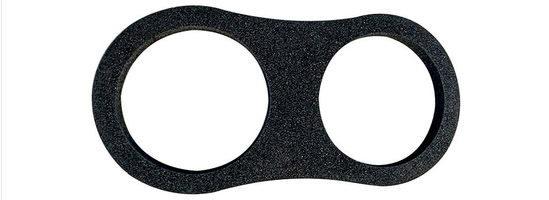
Choosing the Correct PE Foam Gasket
A properly selected gasket is essential for achieving a durable weatherproof installation. It compensates for minor roof irregularities while creating even pressure between the roof vent and the vehicle roof.
The Easy Aero Roof Vent is available with two PE foam gasket thicknesses.
- 9 mm PE Foam Gasket – suitable for flatter roof sections.
- 16 mm PE Foam Gasket – ideal for deeper roof profiles and larger surface variations.
If the gasket becomes compressed, damaged or loses its elasticity over time, it should be replaced to maintain reliable sealing performance.
View PE Foam Gaskets for the Easy Aero Roof Vent
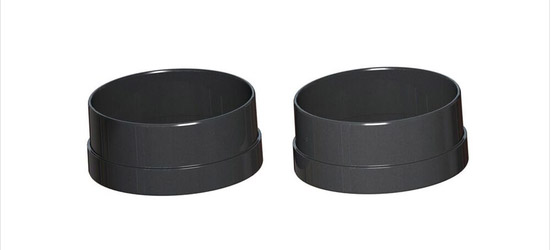
Installation in Vehicles with a Headliner or Roof Lining
Many commercial vans and camper conversions feature an interior headliner, plywood lining or insulated roof construction. This creates additional space between the outer roof panel and the finished interior.
The dedicated Easy Aero Headliner Adapter bridges this gap and allows the roof vent to be mounted securely without compressing or damaging the interior lining.
The adapter accommodates roof lining thicknesses of up to 50 mm, making it suitable for a wide range of professional van conversions and camper builds.
View the Easy Aero Headliner Adapter
Optional Electric Fan for Stationary Ventilation
While the aerodynamic Push-and-Pull system operates during vehicle movement, some applications require ventilation while parked.
The optional Easy Aero Electric Fan provides active airflow whenever the vehicle is stationary, making it particularly useful for camper vans, service vehicles, mobile workshops and animal transport vehicles.
Typical Applications
- Camper vans
- Motorhomes
- Animal transport
- Workshop vans
- Service vehicles
- Vehicles with sensitive equipment
- Extended overnight parking
Together, the aerodynamic roof vent and optional electric fan create a versatile ventilation system suitable for both driving and stationary use.
White or Black — Which Roof Vent Should You Choose?
The Easy Aero Roof Vent is available in both white and black finishes. Performance and technical specifications are identical, allowing your choice to be based entirely on appearance.
White Roof Vent
The white version blends seamlessly with most camper vans, motorhomes and light-coloured commercial vehicles while maintaining a discreet factory-style appearance.
View the White Easy Aero Roof Vent
Black Roof Vent
The black version complements modern commercial vans, expedition vehicles, off-road builds and camper conversions with black roof racks or dark exterior styling.
View the Black Easy Aero Roof Vent
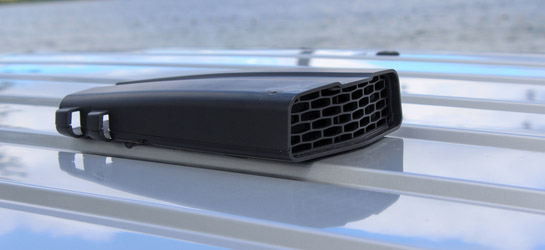
Easy Aero Roof Vent vs Conventional Roof Vents
| Feature | Easy Aero Roof Vent | Conventional Roof Vent |
|---|---|---|
| Airflow | Fresh air intake and exhaust airflow | Often exhaust airflow only |
| Operating Principle | Push-and-Pull System | Passive ventilation or simple extraction |
| Additional Floor Vent | Often unnecessary | Frequently recommended |
| Driving Performance | Continuous aerodynamic ventilation | Depends on design |
| Stationary Ventilation | Optional electric fan available | Model dependent |
| Design | Low-profile aerodynamic housing | Varies by manufacturer |
| Available Colours | White and Black | Product dependent |
| Maintenance | Minimal | Depends on moving parts |
Part Two Summary
The Easy Aero Roof Vent can be adapted to a wide variety of commercial vehicles, camper vans and professional vehicle conversions. With the correct PE foam gasket, dedicated headliner adapter and optional electric fan, the system provides flexible ventilation for virtually any application.
In the final part of this guide we'll cover maintenance, expert advice, frequently asked questions, long-term care and practical recommendations to help you get the best performance from your Easy Aero Roof Vent.
Maintenance and Care of the Easy Aero Roof Vent
The Easy Aero Roof Vent has been designed to provide reliable long-term performance with minimal maintenance. Nevertheless, regular inspections help ensure consistent airflow, maintain weather resistance and maximise the lifespan of the ventilation system.
Dust, leaves, pollen and other airborne debris can gradually accumulate around the air passages. Vehicles operating on construction sites, forestry roads or in dusty environments should therefore be inspected more frequently.
Regular Inspection Checklist
- Inspect the air intake and exhaust openings.
- Clean the outer housing using a soft cloth.
- Check the PE foam gasket for wear or damage.
- Inspect mounting hardware for secure fastening.
- Examine the surrounding roof area for signs of water ingress.
- If installed, check the optional electric fan and wiring connections.
Routine cleaning with water and a mild detergent is generally sufficient. Abrasive cleaners, solvents and hard brushes should be avoided, as they may damage the UV-resistant surface.
💡 Maintenance Tip
Inspect your roof vent after winter, following extended periods of storage and before long journeys. Early maintenance helps prevent unnecessary repairs and ensures optimum ventilation performance throughout the year.
When Should the PE Foam Gasket Be Replaced?
The gasket forms an essential part of the roof vent installation by sealing the connection between the roof vent and the vehicle roof.
Although the PE foam gasket is highly durable, it should be replaced whenever it shows signs of ageing or damage.
Typical Signs of Wear
- Visible cracks or tears
- Permanent compression
- Loss of flexibility
- Uneven sealing pressure
- Moisture around the installation area
- Roof vent movement caused by gasket deterioration
Using a new gasket whenever the roof vent is removed is recommended to ensure long-term weather protection.
How to Maximise Ventilation Performance
Even the best roof ventilation system performs most effectively when combined with good vehicle layout and airflow planning.
Choose the Right Roof Position
Warm air naturally rises, making the roof the ideal location for efficient ventilation. Position the roof vent where air can circulate freely throughout the vehicle rather than becoming trapped behind cupboards or partitions.
Keep Airflow Paths Clear
Large storage units, full-height shelving systems and enclosed cabinets may restrict natural airflow. Maintaining open air pathways allows the Push-and-Pull system to perform at its full potential.
Reduce Moisture Sources
Removing wet clothing, drying damp equipment and avoiding unnecessary moisture inside the vehicle all contribute to a healthier interior environment.
Use the Electric Fan When Parked
During driving, the aerodynamic airflow system provides continuous ventilation. When the vehicle remains stationary for extended periods, the optional electric fan maintains air circulation without relying on vehicle movement.
📘 Kurierbedarf Wiki Expert Advice
Effective van ventilation should always be considered as part of the overall vehicle design. Insulation, furniture layout, cargo configuration and ventilation all work together to create a healthy interior climate.
Who Benefits Most from the Easy Aero Roof Vent?
The Easy Aero Roof Vent is an excellent solution for anyone seeking reliable, low-maintenance ventilation for commercial or recreational vehicles.
- Tradespeople and mobile workshops
- Courier and delivery companies
- Fleet operators
- Camper van owners
- Motorhome users
- Van conversion specialists
- Animal transport vehicles
- Electric commercial vehicles
- Off-road and expedition vehicles
Its combination of aerodynamic efficiency, simple installation and optional active ventilation makes it suitable for a wide variety of professional applications.
Roof Vent or Roof Hatch — Which Is the Better Choice?
Although roof vents and roof hatches both improve vehicle ventilation, they are designed for different purposes.
A roof hatch primarily provides a large opening for ventilation and natural daylight. In contrast, the Easy Aero Roof Vent focuses on continuous airflow while driving through its aerodynamic Push-and-Pull design.
For commercial vehicles, workshop vans and many camper van conversions, a dedicated roof vent often provides a more discreet, low-profile and maintenance-friendly solution.
| Feature | Easy Aero Roof Vent | Roof Hatch |
|---|---|---|
| Main Purpose | Continuous ventilation | Large ventilation opening |
| Driving Operation | Designed for use while driving | Often closed while driving |
| Roof Space Required | Compact | Larger roof opening |
| Maintenance | Minimal | Depends on hinges and opening mechanism |
| Suitable For | Commercial vans, camper vans, fleet vehicles | Mainly camper vans and motorhomes |
Frequently Asked Questions
Does the Easy Aero Roof Vent work while driving?
Yes. The aerodynamic Push-and-Pull system has been specifically developed to provide continuous airflow while the vehicle is moving.
Can it reduce condensation?
By continuously exchanging humid interior air with fresh outside air, the system helps reduce condensation. Overall performance also depends on insulation, vehicle usage and moisture sources.
Can it be installed in insulated camper vans?
Yes. The dedicated headliner adapter allows installation in vehicles with interior roof linings and insulation up to 50 mm thick.
Is maintenance required?
Only minimal maintenance is required. Periodic inspection and cleaning are generally sufficient for long-term performance.
Is an electric fan available?
Yes. An optional electric fan can provide active ventilation whenever the vehicle is parked.
Conclusion
Maintaining good airflow inside a commercial vehicle or camper van is essential for reducing condensation, improving comfort and protecting valuable equipment.
The Easy Aero Roof Vent combines innovative aerodynamic engineering with practical everyday usability. Its Push-and-Pull ventilation system provides continuous airflow during driving, while optional accessories such as PE foam gaskets, the headliner adapter and the electric fan allow the system to be tailored to a wide range of vehicle types and applications.
Whether you operate a fleet of commercial vehicles, run a mobile workshop or are building your dream camper van, the Easy Aero Roof Vent offers a reliable, durable and professional roof ventilation solution.