Payment by Invoice |
 How to find our store
 info@kurierbedarf.com
 Purchasing for Swiss customers
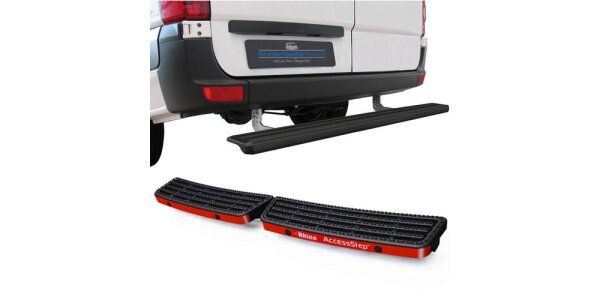
Rear steps are one of the most practical upgrades for vans, panel vans, and commercial vehicles. They make entering and exiting easier, improve ergonomics, and increase safety in daily use. However, not all rear steps are the same – depending on your needs, there are major differences between electric, mechanical, and rigid rear steps.
Why a rear step is essential for your van
Modern vans often have a high loading height. Without an additional step, getting in and out of the vehicle repeatedly can put significant strain on the body – especially during frequent loading and unloading.
- Reduces strain on knees and back
- Speeds up daily workflows
- Improves safety in wet or dirty conditions
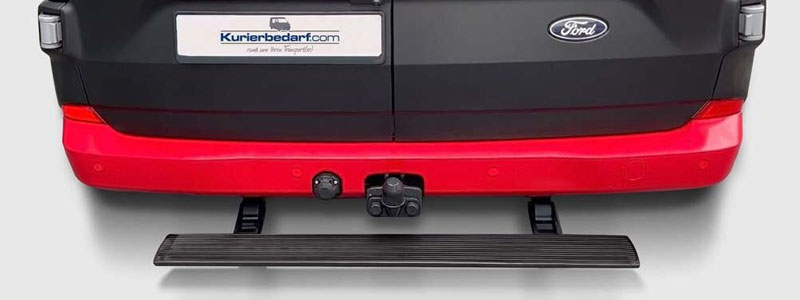
Electric rear steps – maximum comfort
Electric rear steps are the most convenient solution available. They automatically extend when the rear doors are opened and retract when they are closed, providing the perfect step height exactly when needed.
👉 Browse available models: Electric rear steps for vans
- Ideal for delivery services
- Perfect for service vehicles
- Best choice for high vans
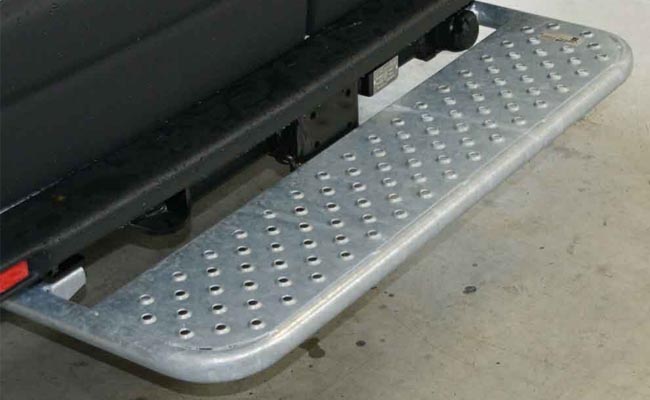
Rigid rear steps – maximum durability
Rigid rear steps are the go-to solution for heavy-duty use. They are permanently mounted, extremely robust, and require virtually no maintenance.
👉 Explore robust options: Rigid rear steps
- Perfect for construction and trade
- Built for tough environments
- Always ready for use
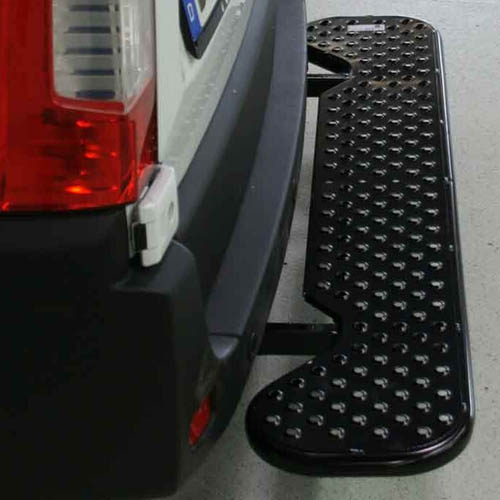
Mechanical rear steps – the smart middle ground
Mechanical systems combine comfort and durability. They operate without electricity and are typically activated by door movement or manual mechanisms.
👉 View all models: Mechanical rear steps
Rear step comparison at a glance
| Type | Comfort | Durability | Maintenance | Best use case |
|---|---|---|---|---|
| Electric | Very high | High | Low | Delivery, service vehicles |
| Mechanical | High | Very high | Very low | All-round use |
| Rigid | Moderate | Extremely high | Minimal | Construction, heavy-duty work |
Which rear step is the right choice?
Your decision depends on how you use your vehicle:
- Electric: best for maximum comfort and frequent use
- Mechanical: great balance of durability and ease of use
- Rigid: ideal for extreme durability and constant availability
👉 Tip: If you enter and exit your van frequently, investing in an electric rear step can significantly improve your daily workflow.
Conclusion: The right rear step makes a real difference
A rear step is more than just an accessory – it’s a productivity upgrade. Choosing the right solution improves comfort, increases safety, and makes everyday work easier.
Frequently asked questions about rear steps for vans
Here are answers to the most common questions about rear steps, their benefits, and how to choose the right type.
What is the best rear step for a van?
The best rear step depends on your needs. Electric steps offer maximum comfort, rigid steps provide extreme durability, and mechanical steps offer a balance between both.
Are electric rear steps worth it?
Yes, especially for frequent use. They improve comfort, reduce physical strain, and increase efficiency in daily operations.
How much weight can a rear step support?
Most rear steps support between 120 kg and 200 kg, depending on the model and design.
Which rear step is best for construction use?
Rigid rear steps are best suited for construction and heavy-duty environments due to their strength and simplicity.
Are rear steps available for all vans?
Yes, there are vehicle-specific solutions available for most popular vans such as Sprinter, Ducato, and Transit models.