Payment by Invoice |
 How to find our store
 info@kurierbedarf.com
 Purchasing for Swiss customers
Anti-slip mats for vans are one of the most effective – yet often underestimated – tools when it comes to load securing. While many professionals rely heavily on lashing straps or locking systems, one critical factor is frequently overlooked: friction between the cargo and the vehicle floor.
In everyday commercial use – whether in construction, courier services, or technical service operations – cargo is constantly moved. Every braking maneuver, sharp turn, or sudden lane change generates forces that can cause goods to shift. Without sufficient friction, even properly secured loads can become unstable.
This is exactly where anti-slip mats inside vans make a real difference. They increase stability, reduce securing effort, and improve efficiency in daily transport operations.
What are anti-slip mats for vans used for?
Anti-slip mats increase friction between cargo and the vehicle floor, reducing movement during transport. They improve safety, reduce the required lashing force, and protect the floor – making load securing faster and more efficient.
The physics behind load securing – why friction matters
To understand the real benefit of anti-slip mats, it’s important to look at the basics of load securing. The key factor is the coefficient of friction, which determines how resistant a load is to movement.
On smooth surfaces such as wooden or plastic floors, this coefficient is usually very low. As a result, cargo can start to slide even under relatively small forces. In practice, this means lashing straps must be tightened excessively to compensate for the lack of friction.
Anti-slip mats for vans significantly increase this friction level. This leads to several important advantages:
- Reduced securing force required
- Lower stress on straps and fixing points
- Improved load stability during transport
- Less risk of cargo damage
The perfect combination: anti-slip mats, lashing straps, and airline rails
Anti-slip mats work best when combined with other securing systems. The most effective setup includes lashing straps and airline rails.
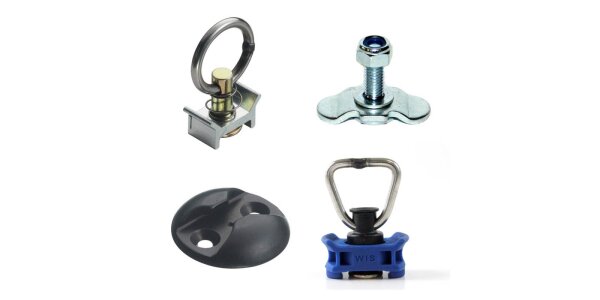
While the mat increases friction, lashing straps actively secure the load in place. Airline rails provide flexible anchor points, allowing you to position and fix cargo precisely.
Additional fittings and accessories make it possible to adapt the system to different types of cargo – from tools and machinery to fragile goods.
Which vans are anti-slip mats suitable for?
Anti-slip mats are available for almost all common van models, including:
- Mercedes Sprinter
- VW Crafter & MAN TGE
- Ford Transit & Transit Custom
- Renault Master, Opel Movano, Nissan Interstar
- VW Transporter (T7)
- Compact vans such as VW Caddy
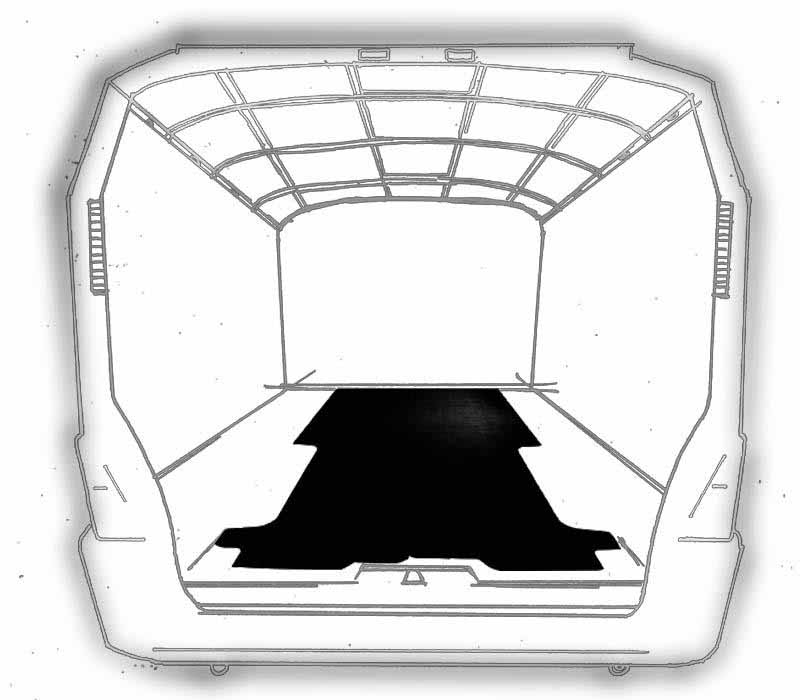
They are precisely cut to match the vehicle floor, ensuring a secure fit without the need for additional fastening.
Material and durability – what really matters
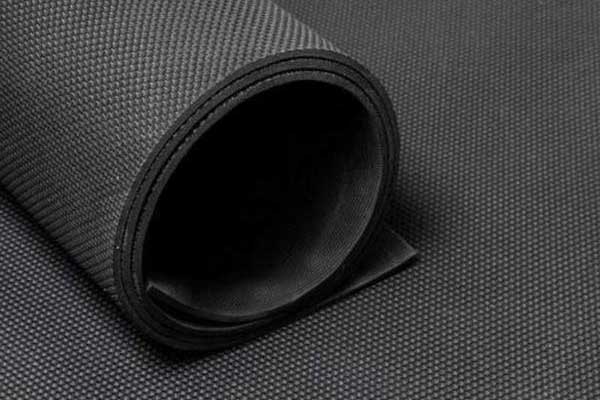
High-quality anti-slip mats are made from SBR rubber (styrene-butadiene rubber), a material known for its durability and resistance. Originally used in heavy-duty applications such as livestock transport flooring, it is perfectly suited for demanding commercial environments.
Typical features include:
- Thickness: approx. 3 mm
- Slip-resistant surface
- Chemical resistance
- Temperature resistance from -20 °C to +70 °C
- High wear resistance
In addition to improving load stability, these mats also protect the original vehicle floor from scratches, pressure marks, and wear.
Real-world benefits in daily operations
In practice, the difference is immediately noticeable. Tradespeople transporting tools experience significantly less movement in the cargo area. Delivery drivers benefit from improved stability, especially in stop-and-go traffic.
For sensitive goods such as equipment or electronics, anti-slip mats reduce the risk of damage. At the same time, loading and unloading becomes faster and more efficient because less readjustment is required.
Anti-slip mats vs. traditional load securing
Many users ask whether anti-slip mats can replace traditional securing methods. The answer is simple: they are not a replacement, but a powerful addition.
| Criteria | Anti-slip mat | Lashing straps |
|---|---|---|
| Function | Increases friction | Actively secures load |
| Installation | Simply placed | Manual tensioning |
| Effort | Very low | Higher |
| Floor protection | Excellent | Limited |
| Standalone use | No | Yes (depending on use) |
Conclusion: The combination of anti-slip mats and traditional securing systems delivers the highest level of safety and efficiency.
Common mistakes to avoid
Even though anti-slip mats are easy to use, there are common mistakes that can reduce their effectiveness:
- Using dirty or wet mats
- Incorrect positioning
- Using them without additional securing
- Using worn or damaged mats
Regular inspection and proper placement ensure optimal performance.
Conclusion: Small investment, big impact
Anti-slip mats for vans are a simple yet highly effective upgrade. They improve safety, reduce workload, and protect your vehicle – making them essential for professional transport operations.
Frequently Asked Questions about Anti-Slip Mats
Are anti-slip mats mandatory?
No, they are not legally required, but highly recommended.
Can I use anti-slip mats without lashing straps?
No, they do not replace active securing systems.
How long do anti-slip mats last?
With normal use, they can last for several years.